Adapalene gel - everything you need to know
What is Adapalene?
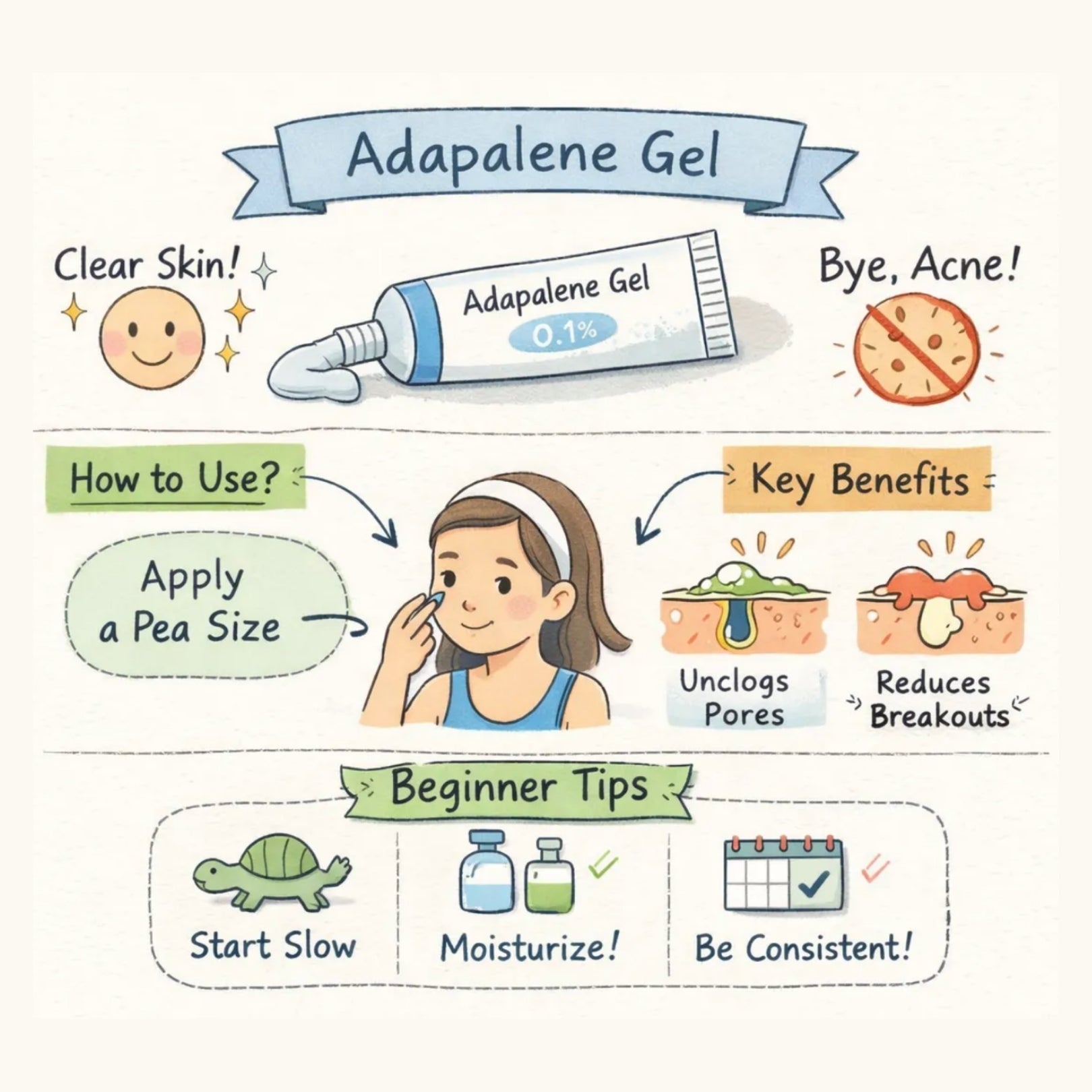
Adapalene is a third-generation retinoid now available over-the-counter for acne treatment. It's backed by decades of research and is more gentle than older retinoids.
Its receptor selectivity is specifically optimised for acne with slower anti-ageing benefits. At the cellular level, adapalene binds to retinoic acid receptors (RAR-β and RAR-γ) and modulates gene transcription to normalise cell division. The plain version: it keeps pores from clogging by accelerating healthy cell turnover and slower anti-ageing benefits than tretinoin.
Which strength should you choose?
Adapalene 0.1% vs Adapalene 0.3%
| Strength | Where to get it | Who its for |
| 0.1% adapalene | over the counter | mild-moderate acne |
| 0.3% adapalene | prescription | severe acne |
💡 Start with 0.1% unless a dermatologist recommends otherwise.
Adapalene comes in two strengths. The 0.1% concentration is available over the counter in the US, UK, and Australia, and it's a good starting point for most people with mild to moderate acne. The 0.3% is prescription-only across all major markets and is intended for more persistent or severe cases.
A 2002 study found that adapalene 0.1% gel was as effective as tretinoin 0.05% cream and was better tolerated in patients with mild-to-moderate acne. This study was a randomised controlled trial involving 409 patients over ten weeks. Adapalene showed significantly less potential for stinging, redness, dryness, and flaky skin than tretinoin.
Additionally, a meta-analysis of 900 patients with mild-to-moderate acne (450 treated with adapalene 0.1% gel, 450 treated with tretinoin 0.025% gel) showed that adapalene was faster at reducing inflammatory lesions at week 1 compared to tretinoin. In terms of reducing total lesion count, adapalene 0.1% demonstrated equivalent efficacy to tretinoin 0.025% gel.
Who adapalene is for?
Adapalene is FDA-approved for the treatment of acne vulgaris in patients 12 years of age and older. Its strongest performance is on comedonal acne, blackheads and whiteheads.
Adapalene acts at the microcomedone stage, before a clogged pore becomes a visible blemish. People with consistent surface-level congestion, clogged pores, or recurring whiteheads get the most predictable results.
Differin, Effaclar, Retinamide Forté: Does the brand actually matter?
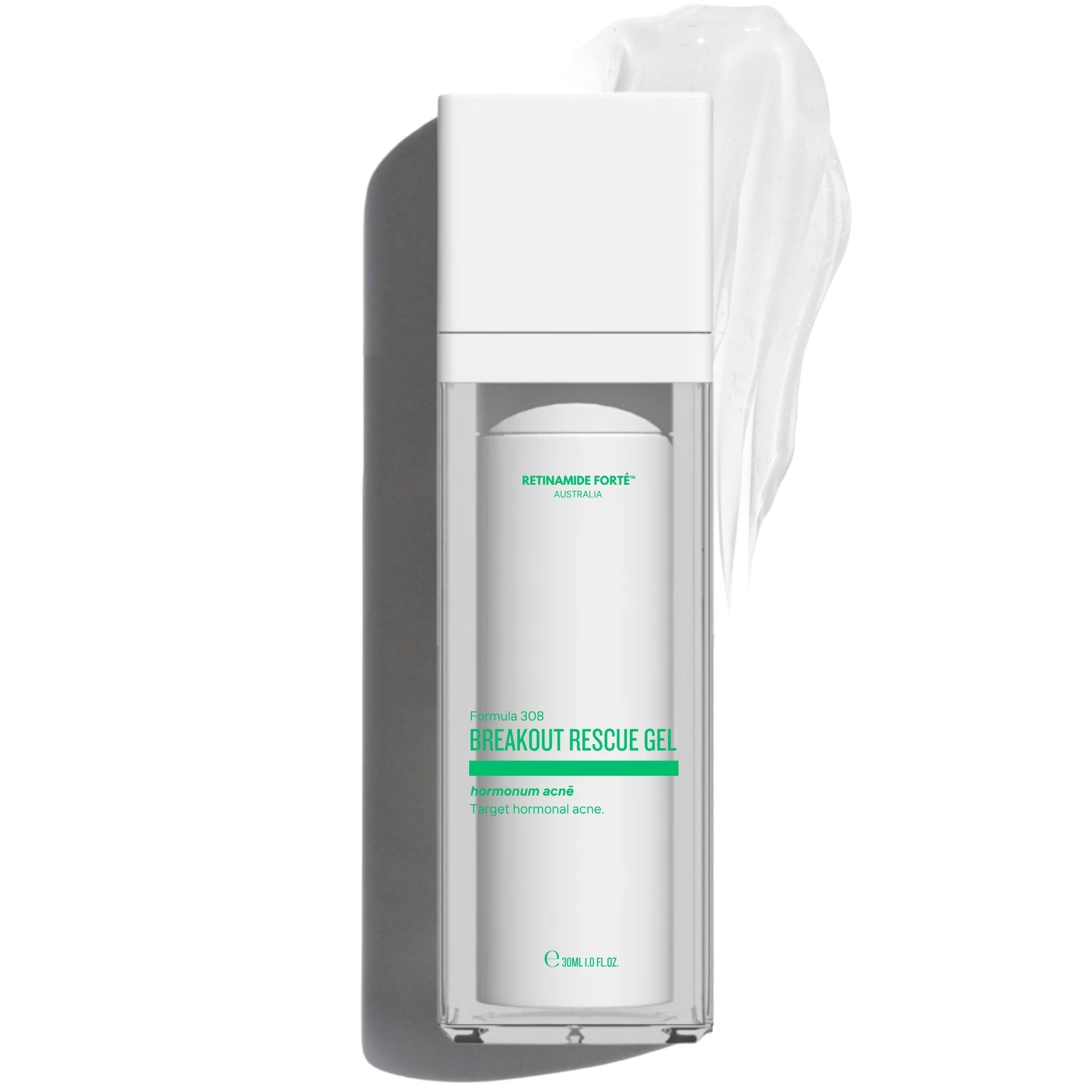
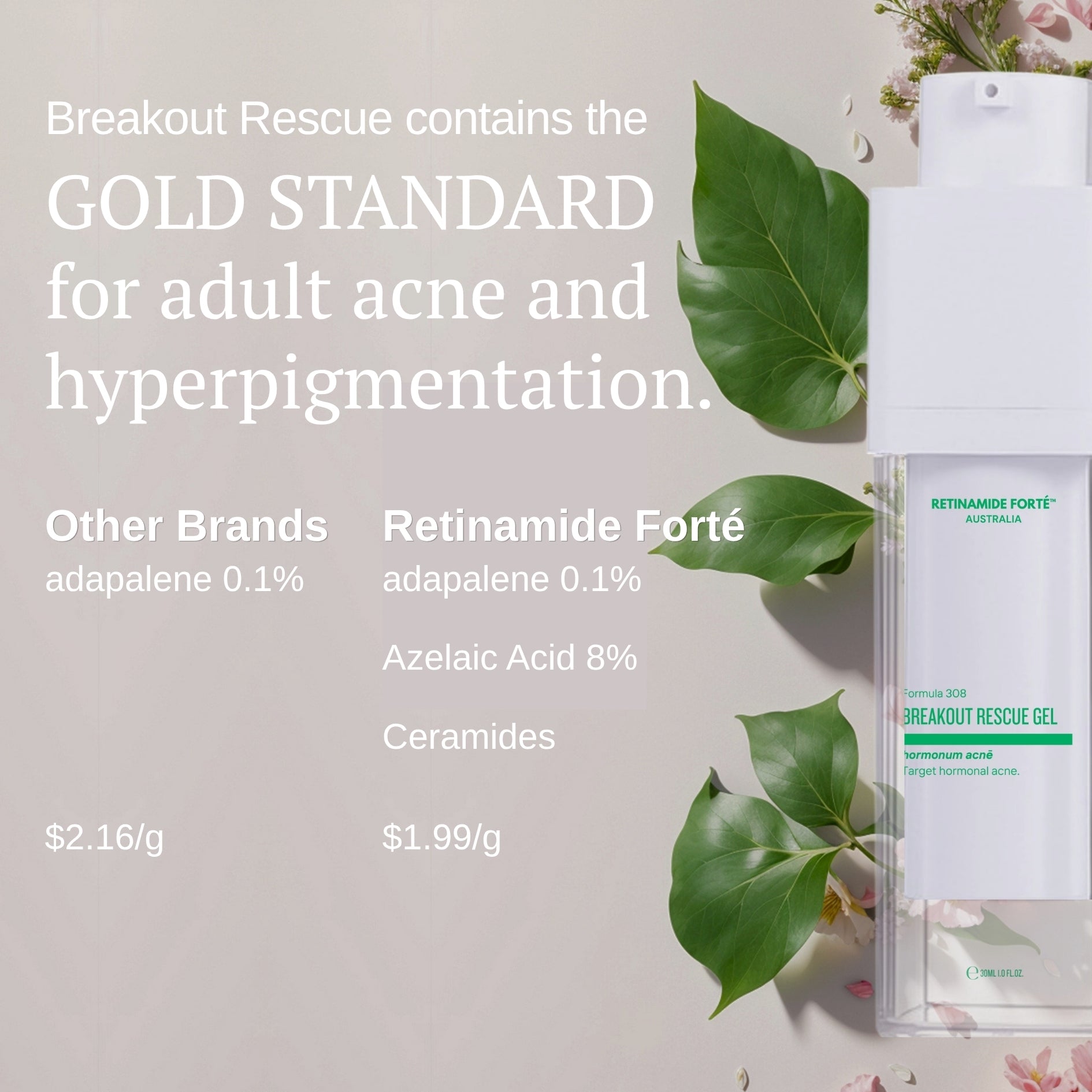
All three contain adapalene 0.1%. The difference in formulation comes down to the carbomer type used as the gel base. Differin uses Carbomer 940, which produces a stiffer texture that's harder to spread across the skin. La Roche-Posay's Effaclar Adapalene uses a carbomer homopolymer, resulting in a smoother, less tacky consistency. Retinamide Forté Breakout Rescue uses a hyaluronic acid gel polymer and azelaic acid to combat dryness and inflammation, respectively. The combination of azelaic acid and adapalene is the gold standard for adult acne and post-inflammatory hyperpigmentation.
Price and OTC availability
Adapalene 0.1% is accessible OTC in pharmacies across Australia, Europe and the US. Other generics and custom formulations, such as Retinamide Forté Breakout Rescue, are available online from the manufacturer.
Effaclar sits at the premium end despite a formula that's nearly identical to Differin and other generic versions. In Australia, the cost of Differin 0.1% gel ranges from $59.99 to $64.99 for 30g, depending on the pharmacy.
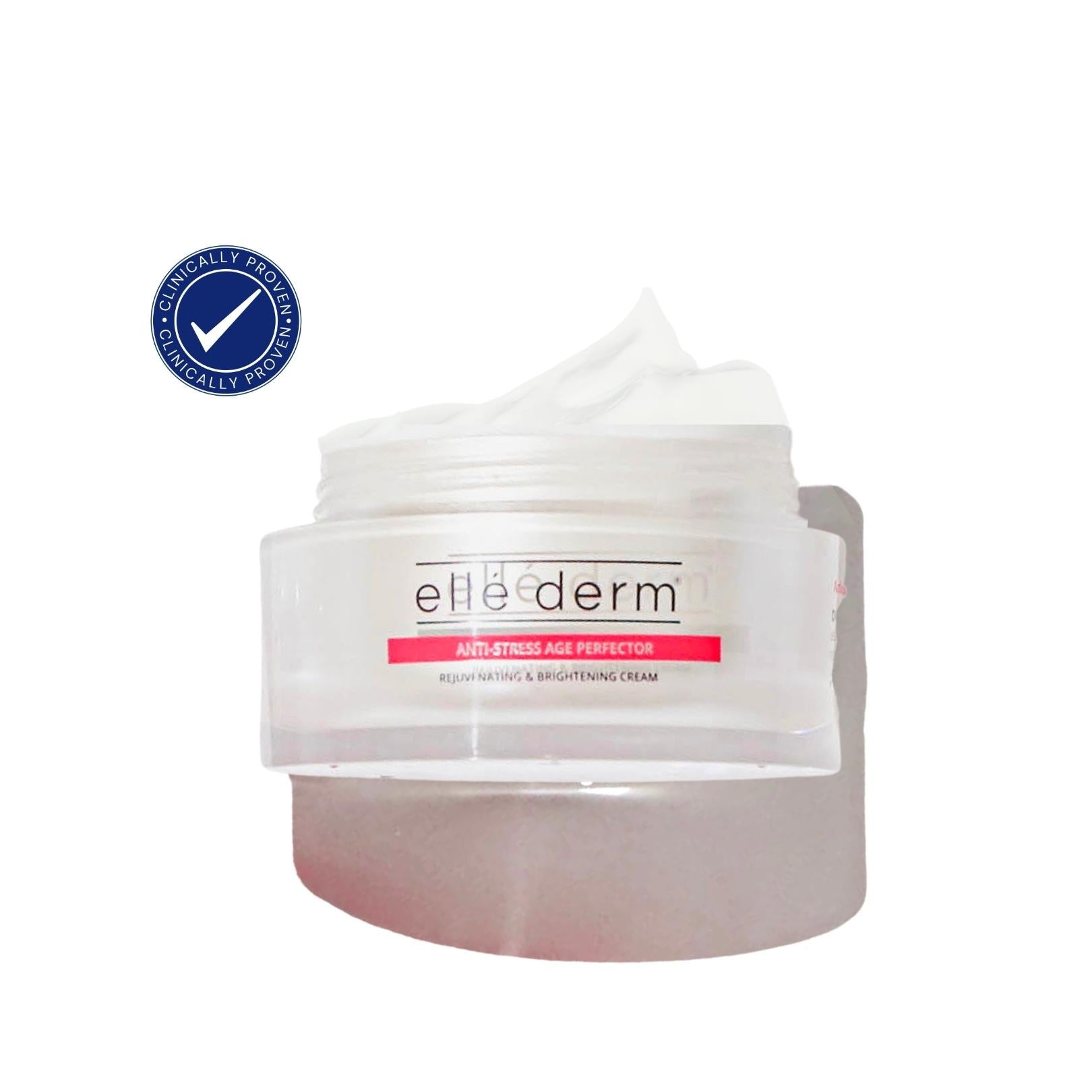
Retinamide Forté Breakout Rescue gel is available from ellé derm Australia for $59.99 and is a game-changer for those looking to manage acne without the high cost of a private prescription or a subscription-based telehealth consultation like Mosh, Software and Pilot. The cost saving is passed onto the consumer. Their compounding lab also compounds other prescription products like tretinoin creams and topical finasteride.
The 0.3% prescription strength requires a doctor's authorisation across all markets.

How to use adapalene gel safely
The evening routine that reduces irritation.
Adapalene gel is applied once daily in the evening, to clean, dry skin. The sequence matters.
Start with a gentle cleanser, rinse thoroughly, and let your skin dry completely before applying. Wet skin increases absorption and, with it, irritation. Apply a thin film only to the affected areas, rather than the entire face, if you're just starting out. Follow immediately with a ceramide-based moisturiser to support the barrier. Both applying moisturiser before and after adapalene work; the "sandwich method" (moisturiser, adapalene, moisturiser) is recommended for anyone with particularly dry or sensitive skin.
Products to pair with it and what to cut out
A mild, pH-balanced cleanser and a fragrance-free moisturiser with ceramides, hyaluronic acid, or niacinamide are the only additions you need in the first several weeks. Broad-spectrum SPF 30+ every morning is non-negotiable.
Eliminate the following entirely during the adjustment period: AHAs, BHAs, benzoyl peroxide, exfoliating scrubs, and alcohol-based toners. These don't cancel out adapalene gel's benefits; they compound irritation. Keep the rest of your routine simple until your skin has adapted.
Adapalene gel: side effects and realistic expectations
Weeks 1 to 4: The adapting stage.
The first month is the adjustment phase, and it's uncomfortable. Dryness, flaking and a temporary spike in breakouts (called purging) are normal and expected; although this is less likely with the 0.1% strength. Adapalene accelerates cell turnover, which pushes existing congestion to the surface faster than it would naturally clear.
The purging phase typically lasts 2 to 8 weeks, and most people who quit adapalene do so during this window. That's a mistake. Instead, use adapalene on alternate evenings until your skin acclimatises.
Weeks 4 to 12: when the real results arrive
By weeks 5 through 8, the skin texture starts to improve. The meaningful clearing happens between weeks 8 and 12.
There are no studies to support the use of adapalene indefinitely. If you have regular breakouts or are prone to comedones (the tiny bumps under the skin), we recommend staying on adapalene at least 4-5 nights a week once acne is clear.
When adapalene isn't the right fit
Some skin types simply won't adapt to adapalene, regardless of how gradually it's introduced. Chronically dry or sensitised skin types can make it difficult to introduce adapalene.
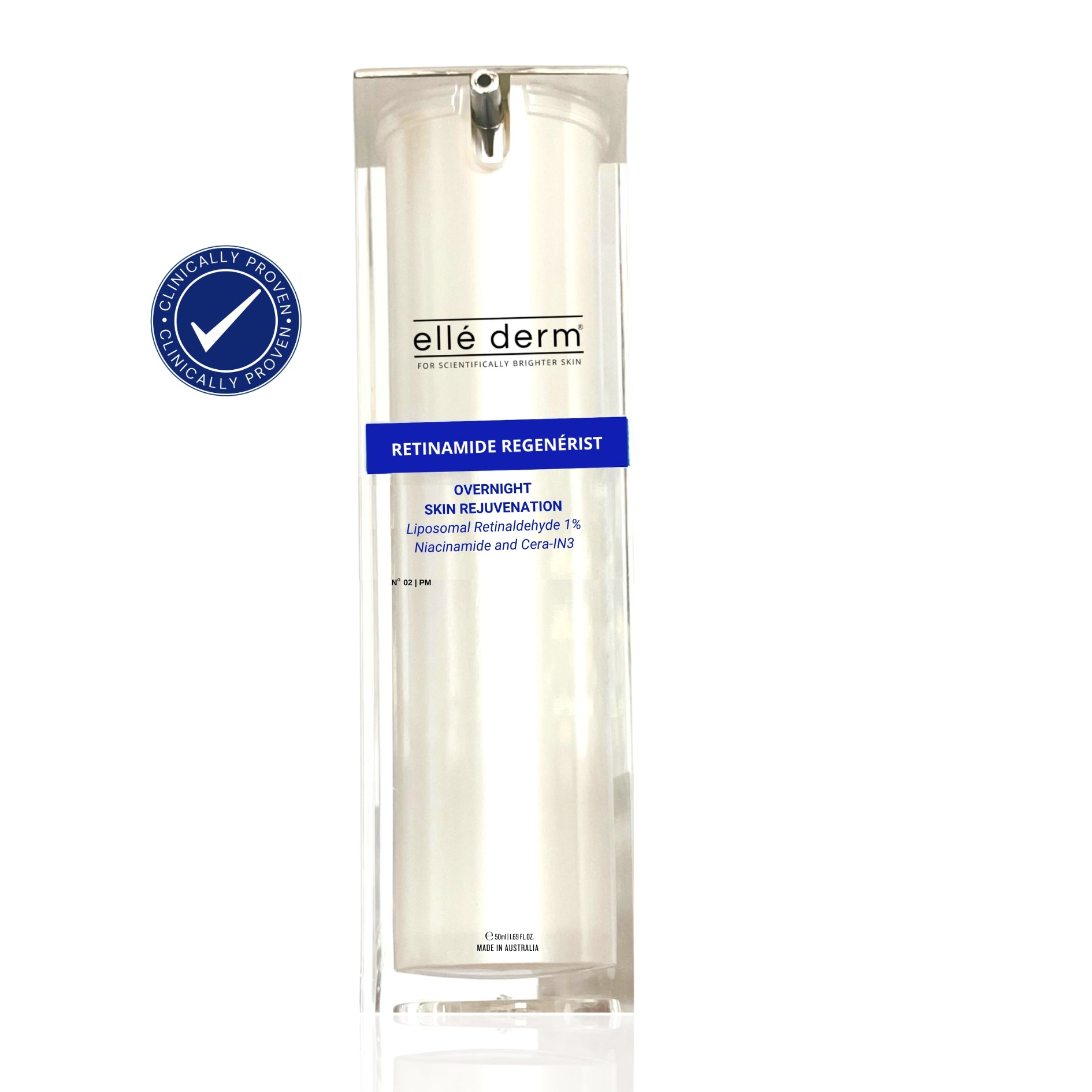
Retinaldehyde is an alternative to consider if you can't tolerate adapalene. Retinaldehyde is a first-generation retinoid and is converted to tretinoin by the body. It also kills the bacteria that cause acne.
You can also learn about other clinically proven ingredients to treat hormonal acne in our pharmacist guide.
REFERENCES
- Mukherjee, S et al. Retinoids in the treatment of skin aging: an overview of clinical efficacy and safety. J Clin Interv Aging. 2006 Dec; 1(4): 327–348.
- Callender, V.D., Baldwin, H., Cook-Bolden, F.E. et al. Effects of Topical Retinoids on Acne and Post-inflammatory Hyperpigmentation in Patients with Skin of Color: A Clinical Review and Implications for Practice. Am J Clin Dermatol 23, 69–81 (2022). https://doi.org/10.1007/s40257-021-00643-2
- Bagatin, E et al. Comparable efficacy of adapalene 0.3% gel and tretinoin 0.05% cream as treatment for cutaneous photoaging. European Journal of Dermatology, 28, 343-350.