How to Remove Acne Marks: red vs. brown acne marks — A pharmacist's evidence-based guide

Introduction
You've finally cleared an active breakout — only to be left with a constellation of marks that can linger for months. This is one of the most common frustrations in acne management, and it's made more confusing by the fact that not all acne marks are the same. The red marks and the brown marks you see after a pimple heals are actually two distinct conditions, with different underlying mechanisms and different treatment approaches.
As a pharmacist, I want to help you understand exactly what you're dealing with — so you can choose the right ingredients and stop wasting time on products that won't work for your specific mark type.
Red Acne Marks vs. Brown Acne Marks: What's the Difference?
Red Acne Marks — Post-Inflammatory Erythema (PIE)
Post-inflammatory erythema (PIE) refers to the flat, pink or red marks left after an inflammatory acne lesion heals. They are most visible on lighter skin tones and are caused by damage to the superficial capillaries (tiny blood vessels) in the dermis during the inflammatory process. The redness is vascular in origin — it is not pigment, but rather dilated or damaged blood vessels showing through the skin.
Key characteristics of PIE:
- Pink, red, or purple in colour
- Blanches (turns white) when pressed with a finger
- More common in lighter skin tones (Fitzpatrick I–III)
- Located in the upper dermis
- Can take 3–24 months to fade without treatment
Brown Acne Marks — Post-Inflammatory Hyperpigmentation (PIH)
Post-inflammatory hyperpigmentation (PIH) refers to the flat, tan, brown, or dark brown marks that develop after skin inflammation. They are caused by an overproduction of melanin — the pigment that gives skin its colour — triggered by the inflammatory cascade. Melanocytes (pigment-producing cells) are stimulated by inflammation to produce excess melanin, which deposits in the epidermis or dermis.
Key characteristics of PIH:
- Tan, brown, or dark brown in colour
- Does not blanch when pressed
- More common and more severe in medium-to-darker skin tones (Fitzpatrick III–VI)
- Located in the epidermis (superficial) or dermis (deeper, harder to treat)
- Can take 6–24+ months to fade without treatment
Quick Reference: PIE vs. PIH
| Feature | PIE (Red Marks) | PIH (Brown Marks) |
|---|---|---|
| Colour | Pink, red, purple | Tan, brown, dark brown |
| Cause | Vascular damage | Excess melanin |
| Blanches with pressure? | Yes | No |
| Skin tone most affected | Lighter/Olive tones | Medium–darker tones |
| Location in skin | Papillary (upper) dermis | Epidermis or dermis |
| Time to fade (untreated) | 3–24 months | 6–24+ months |

Treating Red Acne Marks (PIE)
Because PIE is vascular in origin, the most effective treatments target blood vessel repair and reduce inflammation rather than targeting melanin.
1. Silica
Studies show topical silica is one of the most evidence-backed treatments for post-inflammatory skin changes and wound healing. Silica hydrates the stratum corneum, regulates fibroblast activity, and reduces capillary hyperaemia — directly addressing the vascular component of PIE (Mustoe et al. (2002)).
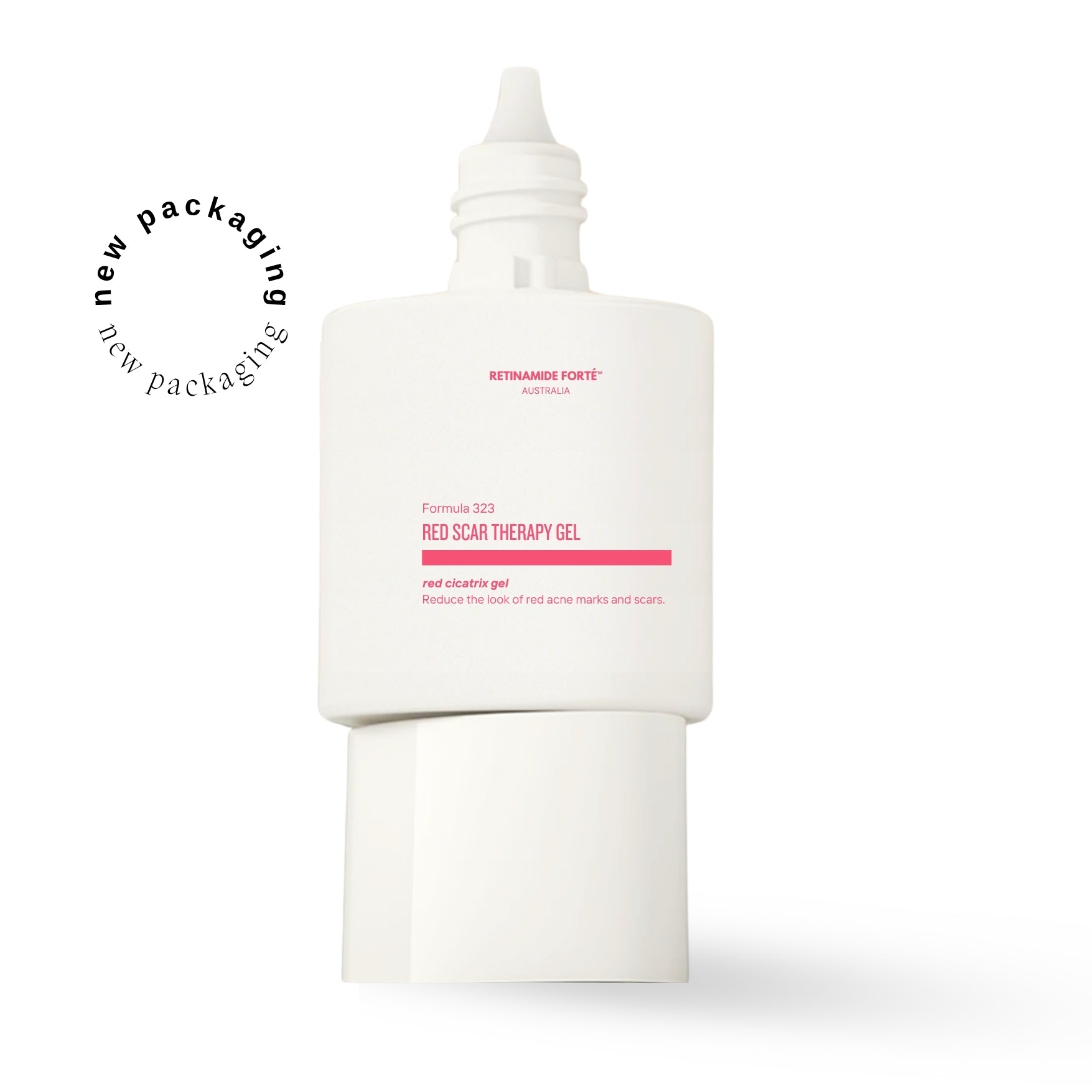
Red Scar Therapy gel is formulated with medical-grade silica specifically to target red, vascular post-acne marks. Applied twice daily to affected areas, red scar therapy gel helps fade and improve the texture of red acne marks.
Typical timeline for silica therapy is four to eight weeks, and twelve weeks for deeper red acne marks — making it the ideal first-line treatment for red acne marks.
2. Niacinamide
Niacinamide is primarily known for its role in PIH, it also has limited anti-inflammatory and barrier-strengthening properties that support PIE treatment. By reducing ongoing skin inflammation, niacinamide can help prevent new vascular damage while the existing marks heal.
3. Azelaic Acid
Azelaic acid has demonstrated anti-inflammatory and anti-erythema properties, making it useful for both PIE and rosacea-related redness. A study by Thiboutot et al. (2008) showed 15% azelaic acid gel can reduce inflammatory lesions and associated erythema.
4. Centella Asiatica (Cica)
Centella asiatica extracts (madecassoside, asiaticoside) have demonstrated wound-healing. Emerging evidence supports their use in reducing post-inflammatory redness (Bylka et al., 2014).
5. SPF (Non-Negotiable)
UV exposure worsens both PIE and PIH. Daily broad-spectrum SPF 50+ is essential — without it, any treatment you apply will be significantly less effective.

Treating Brown Acne Marks (PIH)
PIH requires ingredients that target melanin production, accelerate cell turnover, or inhibit the enzymes responsible for pigment synthesis.
1. Niacinamide
Niacinamide inhibits the transfer of melanosomes from melanocytes to keratinocytes — effectively reducing the amount of pigment deposited in the skin. A double-blind RCT by Hakozaki et al. (2002) found 5% niacinamide significantly reduced hyperpigmentation and improved skin tone evenness over 8 weeks.
2. Azelaic Acid
Azelaic acid is a tyrosinase inhibitor — it blocks the enzyme responsible for melanin synthesis. Unlike hydroquinone, it does not affect normally pigmented skin, making it safe for long-term use and all skin tones. Concentrations of 10–20% are effective for PIH (Breathnach, 2004).
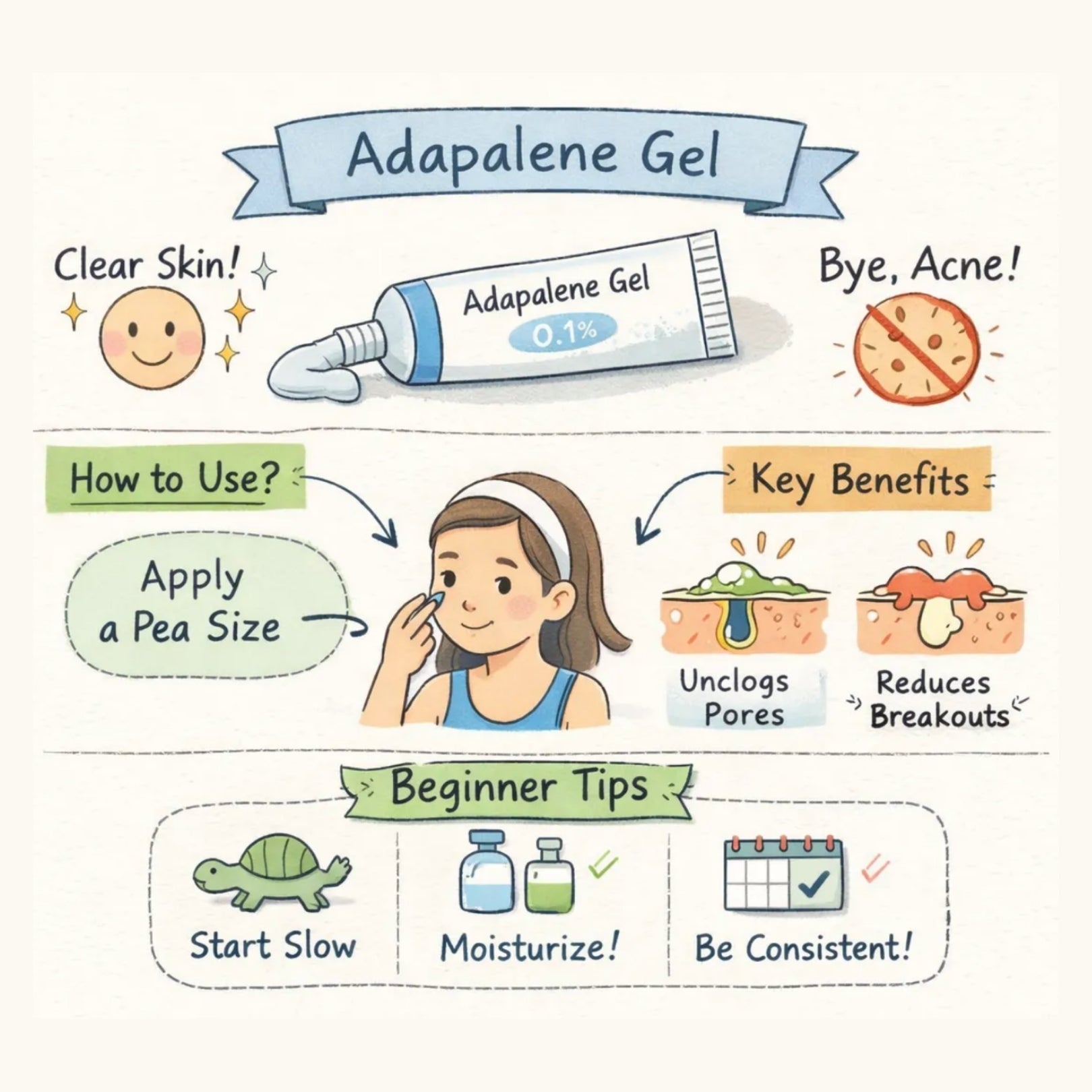
3. Retinoids (Retinaldehyde, Adapalene, Tretinoin)
Retinoids accelerate epidermal cell turnover, helping to shed pigmented cells more rapidly. They also inhibit tyrosinase and reduce melanosome transfer. A study by Kang et al. (1998) confirmed topical tretinoin significantly improved PIH in patients with darker skin tones over 40 weeks.
4. Vitamin C (Ascorbic Acid)
Vitamin C is a potent antioxidant and tyrosinase inhibitor. It also reduces oxidative stress that can worsen pigmentation. Stabilised forms (ascorbyl glucoside, sodium ascorbyl phosphate) are better tolerated than pure L-ascorbic acid for daily use on acne-prone skin.
5. Alpha Hydroxy Acids (AHAs)
Glycolic acid and lactic acid accelerate surface cell turnover, helping to exfoliate pigmented cells from the epidermis. Most effective for superficial (epidermal) PIH. A study by Sarkar et al. (2002) found glycolic acid peels significantly improved PIH in patients with darker skin tones.
6. SPF (Non-Negotiable)
UV exposure directly stimulates melanocytes and will darken existing PIH marks. Consistent daily SPF 50+ is the single most important step in any PIH treatment protocol.
A Combined Protocol: when you have both red and brown acne marks
Many people have a mix of red and brown marks simultaneously. The good news is that several ingredients — particularly niacinamide, azelaic acid, and SPF — address both PIE and PIH, making them excellent anchors for a combined protocol.
Morning
- Gentle cleanser
- Niacinamide 10% serum (addresses both PIE and PIH)
- Vitamin C serum (PIH-targeted)
- Moisturiser
- SPF 50+ (essential for both)
Evening
- Double cleanse
- Azelaic acid 10–20% (addresses both PIE and PIH)
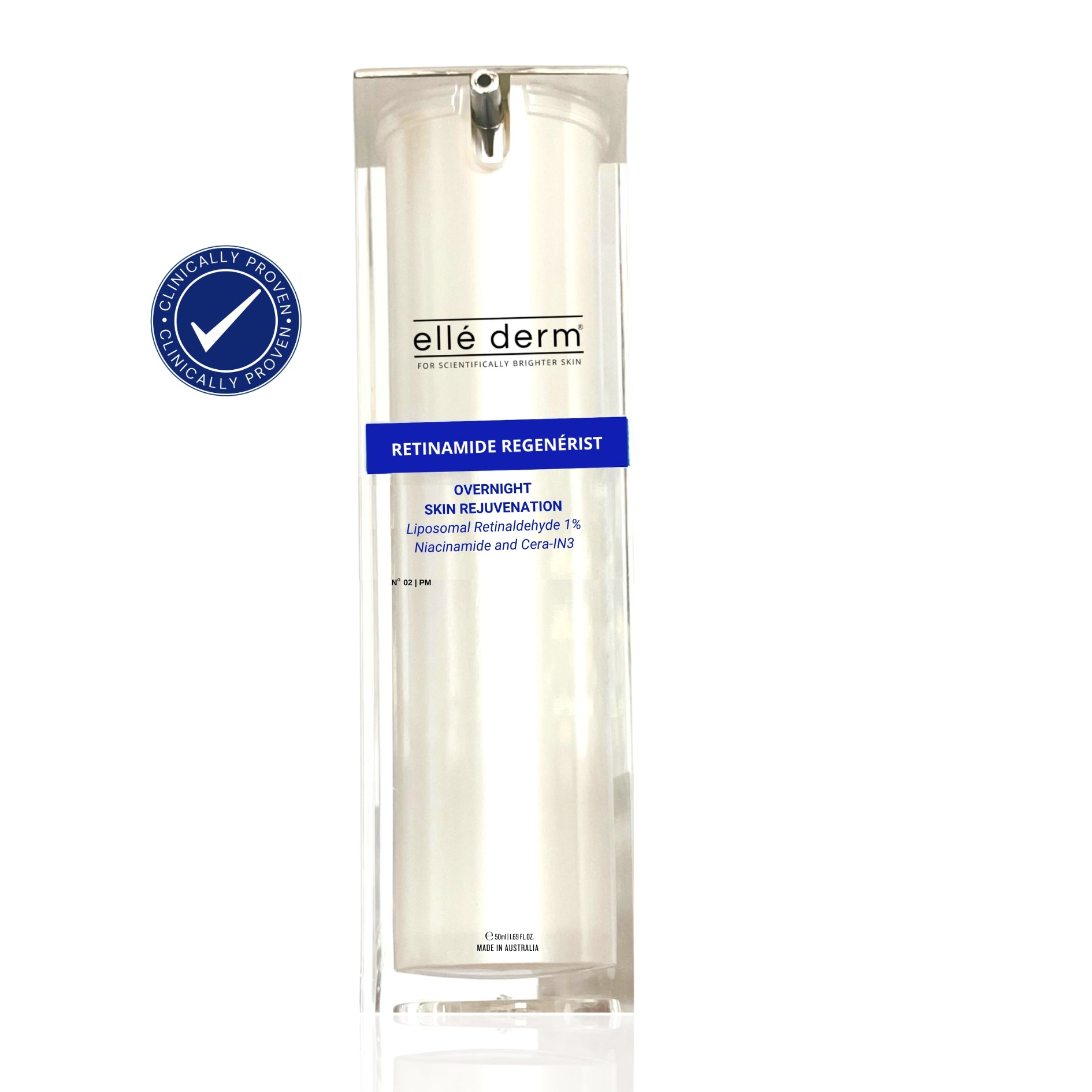
- Retinaldehyde or adapalene (cell turnover, PIH)
- Moisturiser
Targeted Treatment (Red Marks)
- Apply Red Scar Therapy Gel directly to red/pink marks after moisturiser. Silicone-based formulas work best on a clean, moisturised surface and should be used consistently for at least 8–12 weeks for optimal results.
How Long Will It Take?
Realistic timelines with consistent treatment:
- PIE (red marks): 2–4 months with targeted silicone therapy, niacinamide, and SPF.
- Superficial PIH (epidermal brown marks): 2–6 months with retinoids, niacinamide, azelaic acid, and SPF.
- Deep PIH (dermal brown marks): 6–24 months; may require professional treatments (chemical peels, laser) in addition to topicals.
The most important variable is consistency — and preventing new marks by treating active acne promptly.
Frequently Asked Questions
How do I know if my mark is PIE or PIH?
Press a clean finger firmly on the mark. If it turns white (blanches), it's PIE — a vascular red mark. If the colour remains unchanged, it's PIH — a pigmented brown mark. Many people have both types simultaneously.
Can I use silica on brown marks?
Silicone gel is primarily indicated for red, vascular marks (PIE). For brown marks (PIH), melanin-targeting ingredients like niacinamide, azelaic acid, and retinoids will work better.
Will my red acne marks go away on their own?
Yes, but it can take 12–24 months without treatment. Evidence-based topicals can significantly accelerate this timeline — often halving the time to resolution.
Does picking pimples make marks worse?
Significantly. Picking increases the depth and severity of inflammation, worsening both PIE and PIH and increasing the risk of permanent scarring. Treating active acne promptly and avoiding manipulation is the best prevention strategy.
References
- Mustoe TA, et al. (2002). International clinical recommendations on scar management. Plast Reconstr Surg. 110(2):560–571.
- Thiboutot D, et al. (2008). New insights into the management of acne: an update from the Global Alliance to Improve Outcomes in Acne Group. J Am Acad Dermatol. 60(5 Suppl):S1–50.
- Bylka W, et al. (2014). Centella asiatica in cosmetology. Postepy Dermatol Alergol. 31(1):50–56.
- Hakozaki T, et al. (2002). The effect of niacinamide on reducing cutaneous pigmentation and suppression of melanosome transfer. Br J Dermatol. 147(1):20–31.
- Breathnach AS. (2004). Azelaic acid: potential as a general antitumoural agent. Med Hypotheses. 62(4):561–564.
- Kang S, et al. (1998). Topical tretinoin improves early stretch marks. Arch Dermatol. 134(4):425–430.
- Sarkar R, et al. (2002). Glycolic acid peels versus salicylic–mandelic acid peels in active acne vulgaris and post-acne scarring and hyperpigmentation. Dermatol Surg. 28(5):392–396.