How to get rid of hormonal acne

What Causes Hormonal Acne?
Hormonal acne is driven primarily by androgens — hormones such as testosterone and dihydrotestosterone (DHT) — which stimulate sebaceous glands to produce excess sebum. This creates an environment conducive to Cutibacterium acnes proliferation, follicular occlusion, and inflammation.
Key hormonal triggers include:
- Menstrual cycle fluctuations: Progesterone rises in the luteal phase (days 14–28), increasing sebum production and skin sensitivity.
- Polycystic ovary syndrome (PCOS): Associated with elevated androgens and insulin resistance, both of which worsen acne. Perimenopause:
- Declining oestrogen relative to androgens can trigger adult-onset acne.
- Stress: Cortisol stimulates adrenal androgen production, exacerbating breakouts.
- High glycaemic diet: Insulin and IGF-1 signalling upregulates androgen activity and sebum production.
Evidence-based treatment for hormonal acne
1. Retinoids (Retinaldehyde, Adapalene, Tretinoin)
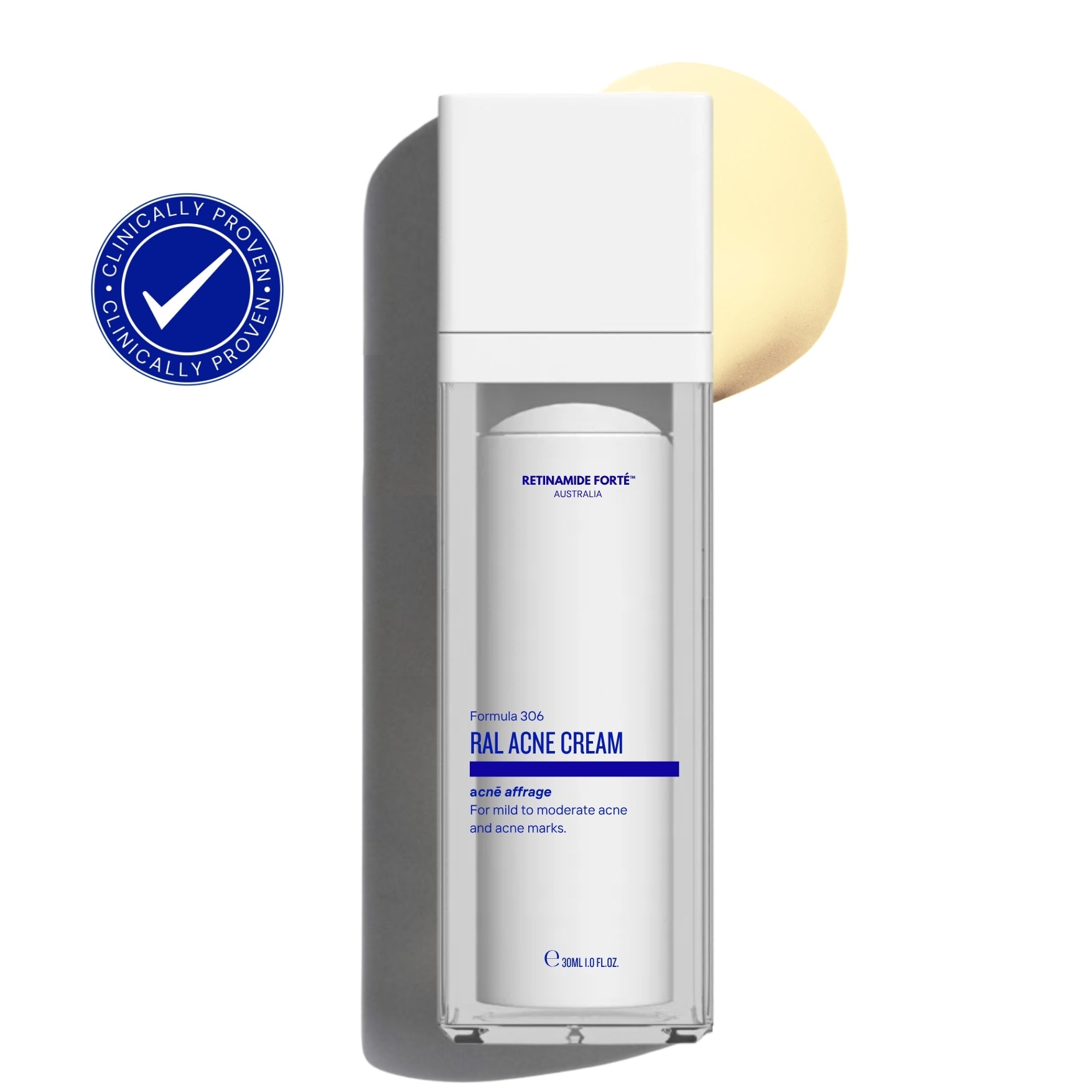
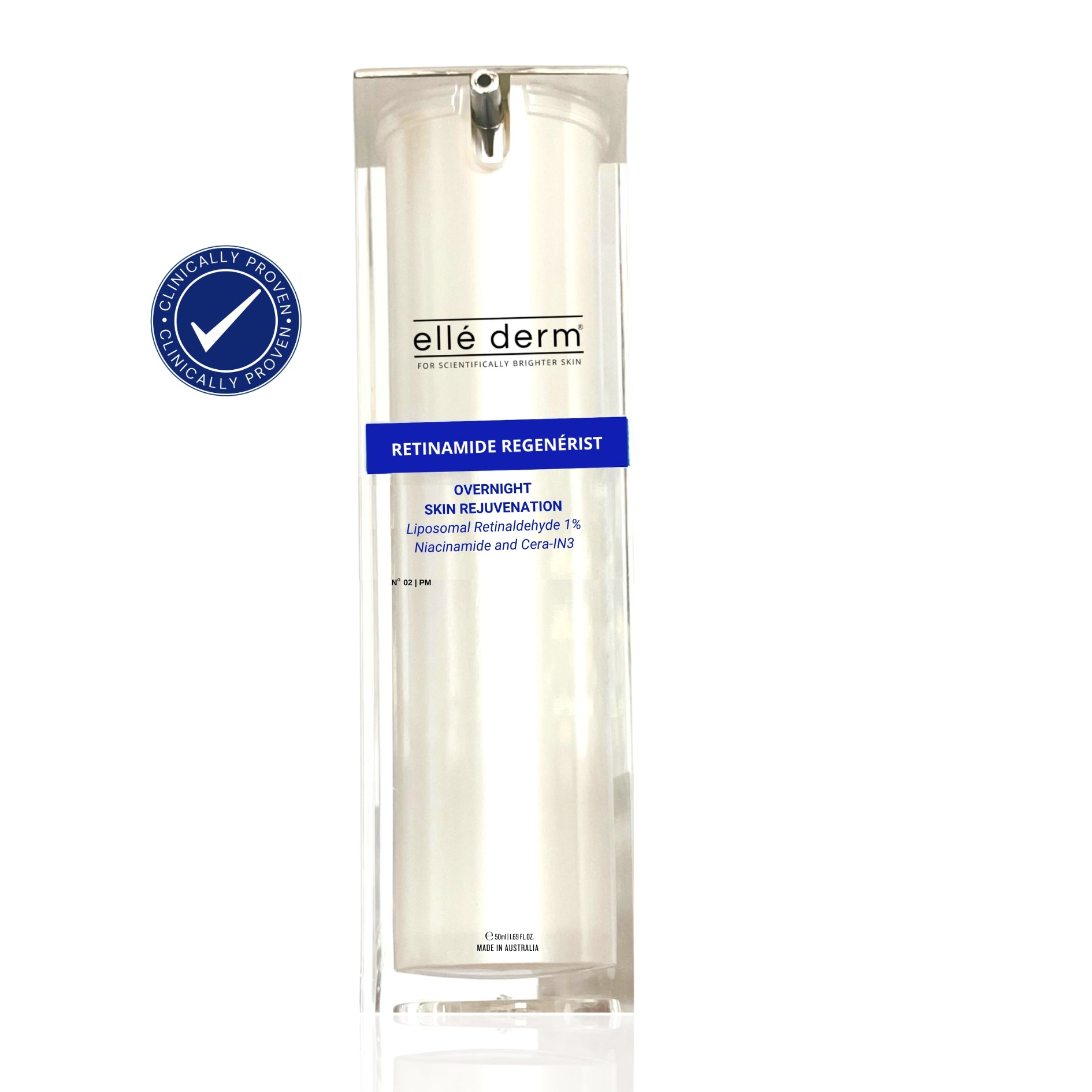
Retinoids are the cornerstone of evidence-based acne treatment. They work by normalising skin cell turnover (preventing pore blockage), reducing inflammation, and — in the case of retinaldehyde — exerting direct antimicrobial activity against C. acnes (Pechere et al., 2002). One of the few over-the-counter acne creams containing retinaldehyde 0.1% include RAL Acne Cream.
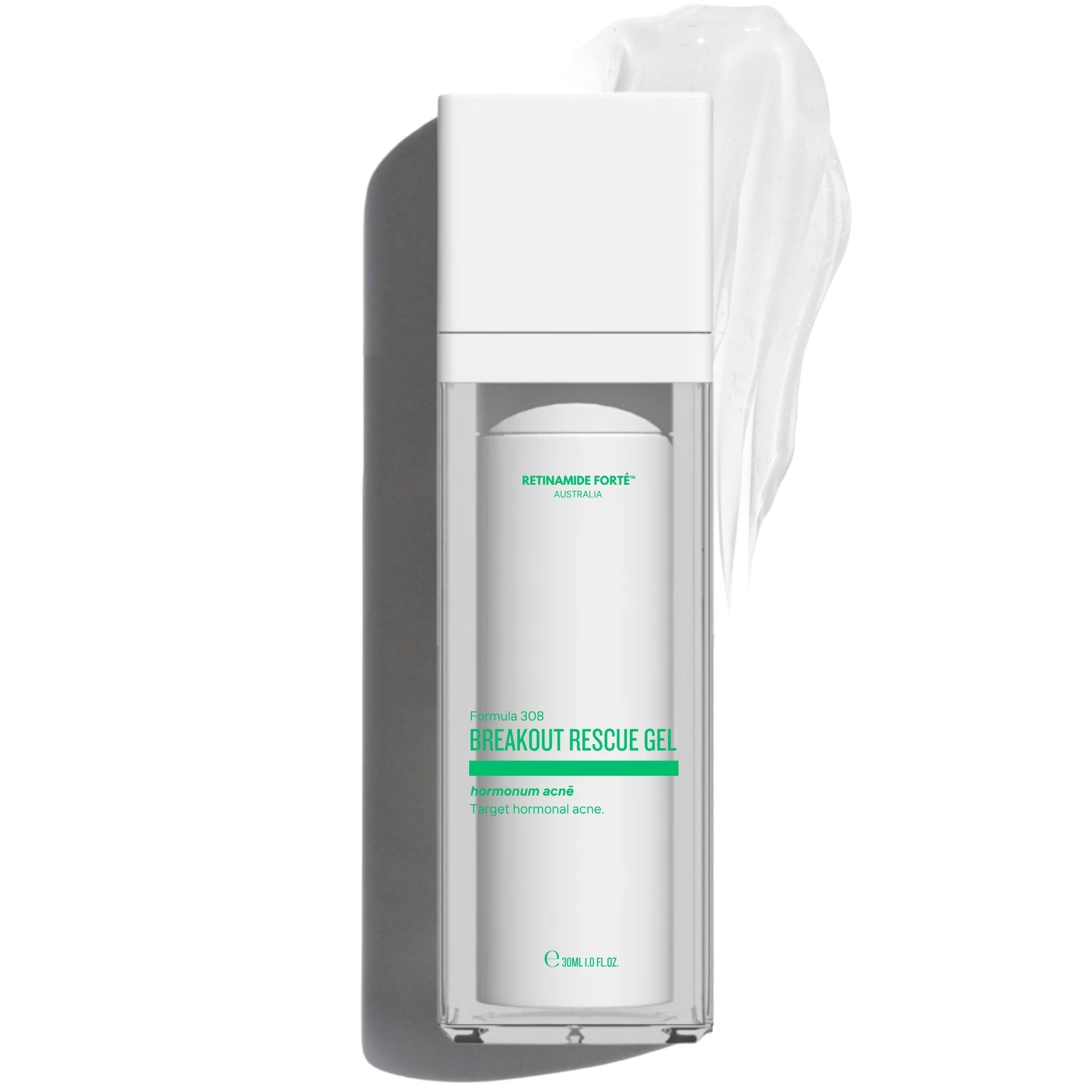
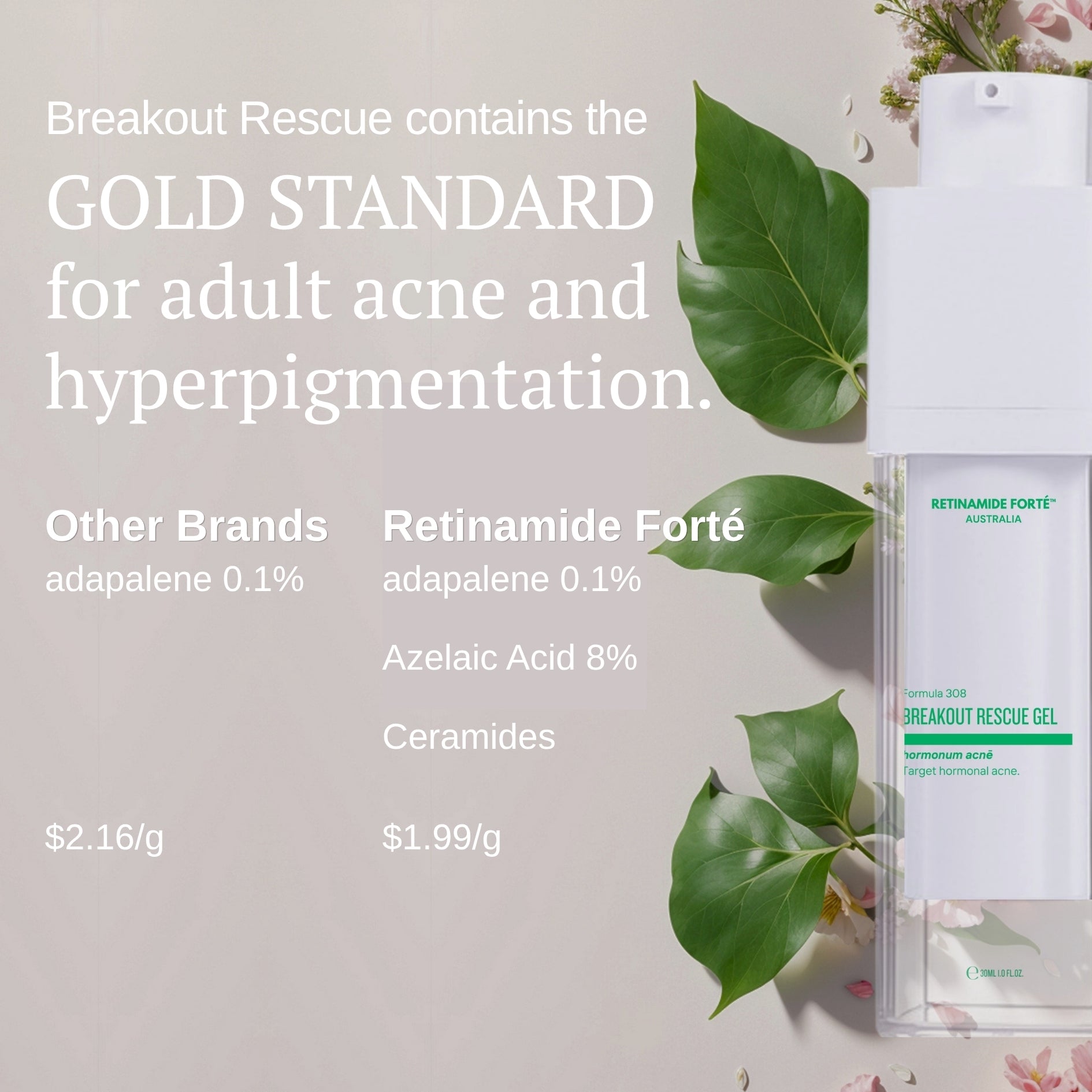
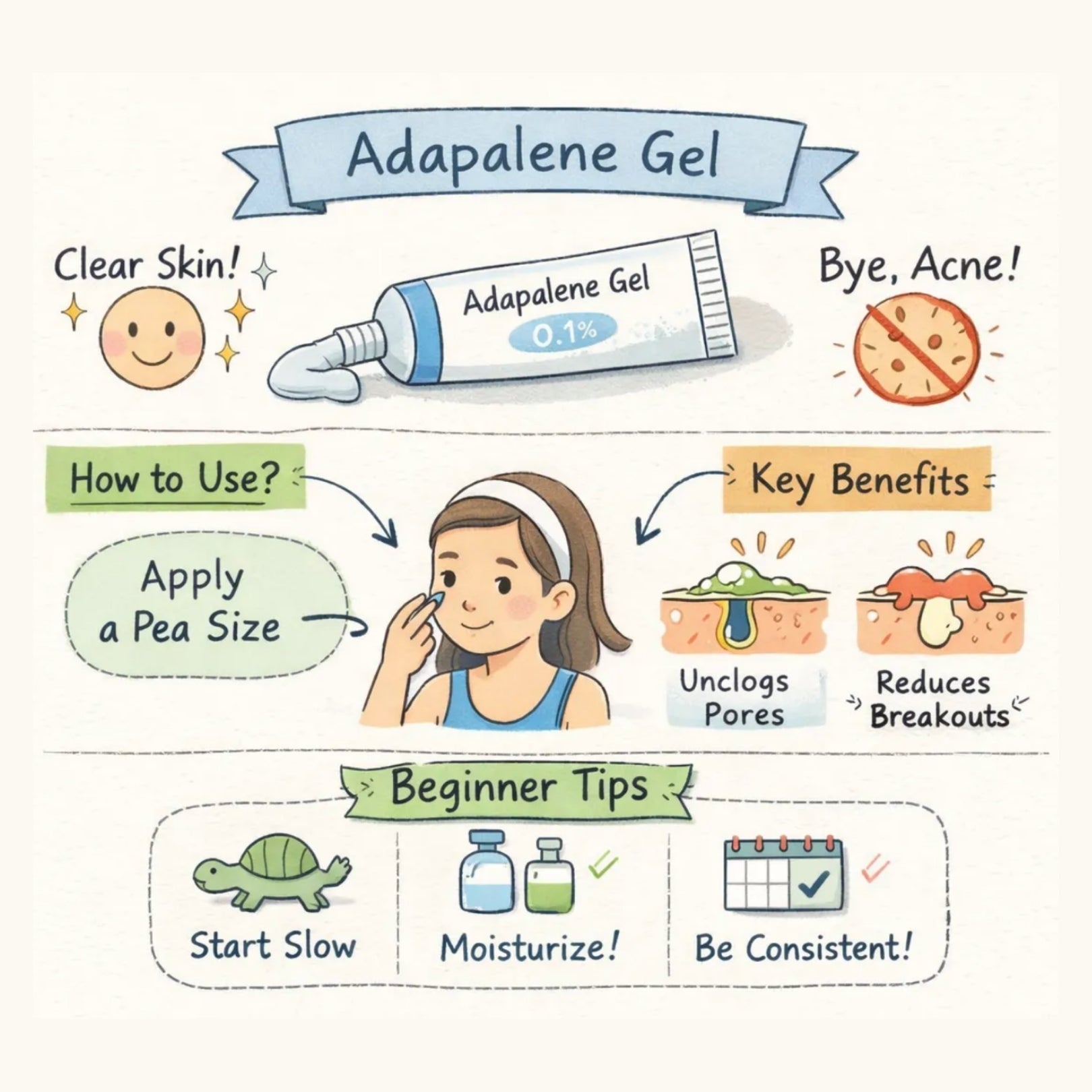
Retinoids help address the comedonal component that precedes inflammatory lesions. Adapalene 0.1% is particularly well-tolerated and has robust evidence for inflammatory and non-inflammatory lesions when compared with tretinoin 0.025%. Popular OTC options with adapalene 0.1% include Differin Gel and Breakout Rescue Gel.
Both retinaldehyde and adapalene offer a compelling OTC option for mild to moderate hormonal acne, with demonstrated antimicrobial properties and superior tolerability compared to tretinoin.
2. Niacinamide
Niacinamide (vitamin B3) is one of the most versatile and well-tolerated actives in dermatology. For hormonal acne, its key mechanisms include regulating sebum production and suppressing inflammatory cytokines. A double-blind RCT published in the International Journal of Dermatology (Shalita et al., 1995) found 4% niacinamide gel comparable to 1% clindamycin gel for inflammatory acne — without the risk of antibiotic resistance.
3. Azelaic Acid
Azelaic acid is a dicarboxylic acid with a uniquely broad mechanism of action: it is comedolytic, antibacterial, anti-inflammatory, and inhibits tyrosinase (reducing post-inflammatory hyperpigmentation). It is particularly well-suited to hormonal acne because it addresses both active lesions and the pigmentation they leave behind. It is also one of the few actives considered safe in pregnancy.
OTC options containing Azelaic Acid include Azclear and Breakout Rescue, which combines adapalene and Azelaic Acid.

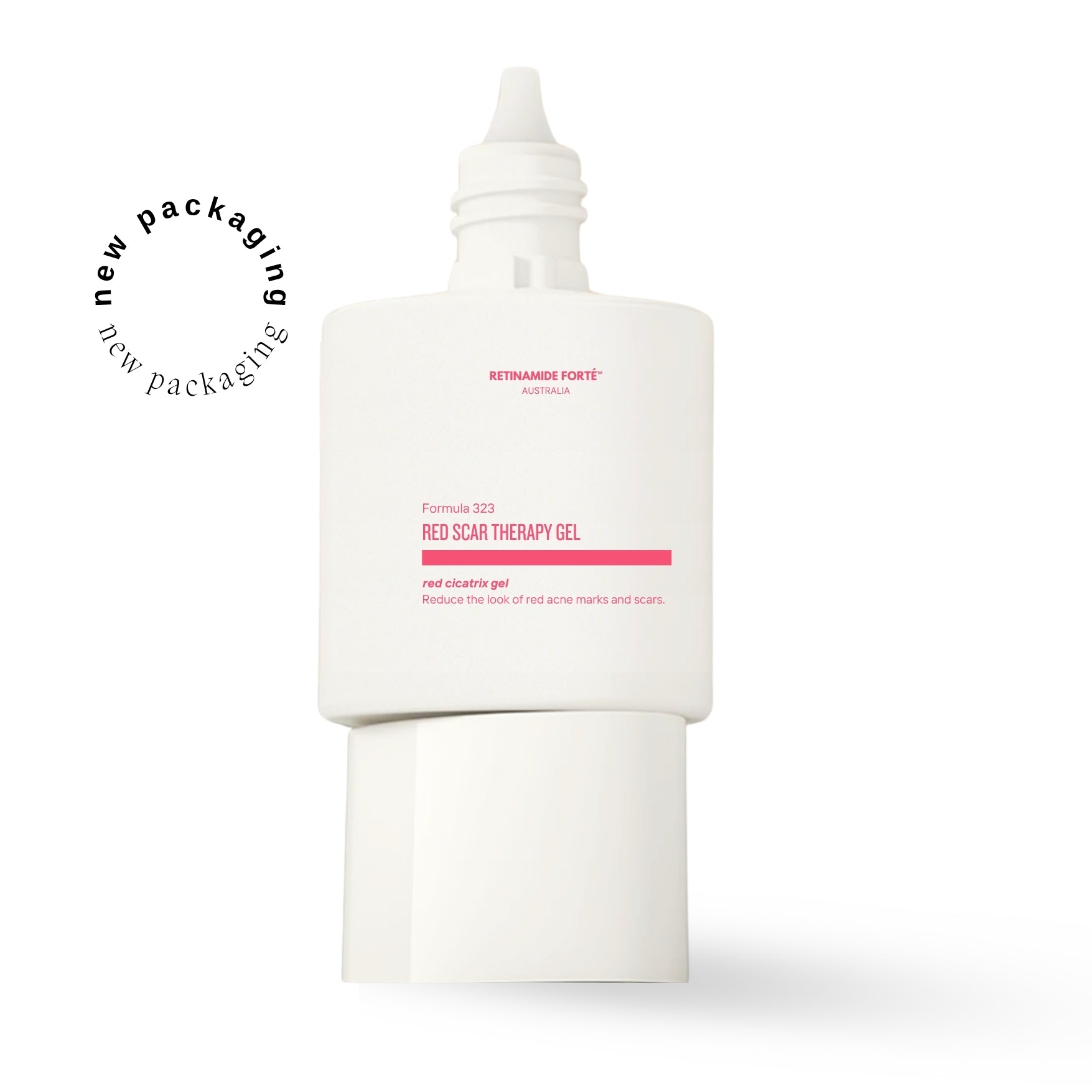
Red acne marks, also known as post-inflammatory erythema, are residual pink and purple marks left behind after acne clears. They can last for 6-12 months or even longer, depending on the severity of the acne.
Laser is the most effective treatment and may require multiple sessions. Some people have success with azelaic acid gel due to its anti-inflammatory properties, but it doesn't always work because red acne marks are skin injuries caused by inflammation. Red Scar Therapy Gel is formulated specifically to fade red acne marks and contains manuka and silica (not to be confused with silicone), which helps to heal damaged skin.
4. Salicylic Acid (BHA)
As a lipophilic beta-hydroxy acid, salicylic acid penetrates sebum-filled follicles to exfoliate from within — making it particularly effective for the comedonal component of hormonal acne. Concentrations of 2% are well-evidenced for reducing blackheads, whiteheads, and mild inflammatory lesions (Arif, 2015).
5. Benzoyl Peroxide
Benzoyl peroxide remains an effective OTC antibacterial agent for acne, with no known risk of inducing antibiotic resistance. Concentrations of 2.5% are as effective as 5–10% with significantly less irritation (Cunliffe et al., 1981). Best used as a targeted spot treatment for active inflammatory lesions in hormonal acne.
How to treat hormonal acne naturally at home
The following lifestyle interventions are evidence-based and clinically shown to reduce hormonal acne:
- Low glycaemic diet: A randomised trial by Smith et al. (2007) found a low glycaemic load diet significantly reduced acne lesion counts over 12 weeks.
- Dairy reduction: Observational studies link high dairy intake (particularly skim milk) with increased acne prevalence, likely via IGF-1 signalling (Adebamowo et al., 2006).
- Stress management: Cortisol-driven androgen surges are real — sleep, exercise, and mindfulness have measurable effects on skin.
- Pillow hygiene: Change pillowcases every 2–3 days to reduce bacterial transfer.
References
- Perkins AC, et al. (2012). Acne vulgaris in women: prevalence across the life span. J Womens Health. 21(2):223–230. Pechere M, et al. (2002).
- Antibacterial activity of topical retinoids. Dermatology. 205(2):153–158.
- Purdy S & de Berker D. (2011). Acne vulgaris. BMJ Clin Evid. 2011:1714. Draelos ZD, et al. (2006). The effect of 2% niacinamide on facial sebum production. J Cosmet Laser Ther. 8(2):96–101.
- Shalita AR, et al. (1995). Topical nicotinamide compared with clindamycin gel in the treatment of inflammatory acne vulgaris. Int J Dermatol. 34(6):434–437.
- Graupe K & Cunliffe WJ. (1996). Efficacy and safety of topical azelaic acid. J Eur Acad Dermatol Venereol. 6(Suppl 1):S20–S29.
- Arif T. (2015). Salicylic acid as a peeling agent: a comprehensive review. Clin Cosmet Investig Dermatol. 8:455–461.
- Cunliffe WJ, et al. (1981). A comparison of benzoyl peroxide 5% and 10% in the treatment of acne. Br J Dermatol. 105(Suppl 21):91–94.
- Smith RN, et al. (2007). The effect of a low glycemic load diet on acne vulgaris. Am J Clin Nutr. 86(1):107–115.
- Adebamowo CA, et al. (2006). Milk consumption and acne in teenaged boys. J Am Acad Dermatol. 58(5):787–793.