Evidence-Based Protocol for Hormonal Acne: A Pharmacist's Guide

Introduction
As a pharmacist, I see many patients who have tried countless products without success — often because they're using the wrong ingredients for this specific acne subtype. This guide gives you a fairly robust protocol for mild to moderate hormonal acne:
- Ingredients that you can easily find OTC without breaking the bank,
- When to see your doctor,
- How long to expect results,
- FAQs about hormonal acne, and
- How to treat hormonal acne naturally.
A Pharmacist's Evidence-Based Protocol
Always introduce one new active at a time and allow 4 weeks before assessing tolerance. See your doctor before considering changing your treatment.
One way to ruin your skin barrier is to use an AHA and a retinoid together when you have not used either ingredient before - please don't do that.
Morning Routine
- Gentle, non-comedogenic cleanser — avoid sulphate-heavy formulas that strip the barrier.
- Niacinamide 10% serum — apply to full face; sebum-regulating and anti-inflammatory.
- Lightweight, non-comedogenic moisturiser — barrier support is essential when using actives.
- Broad-spectrum SPF 50+ — non-negotiable; many acne actives increase photosensitivity.
Evening Routine
- Double cleanse if wearing SPF or makeup — oil cleanser followed by gentle foaming cleanser.
- Azelaic acid 10–20% (alternate nights) or salicylic acid 1–2% toner — exfoliation and antibacterial action.
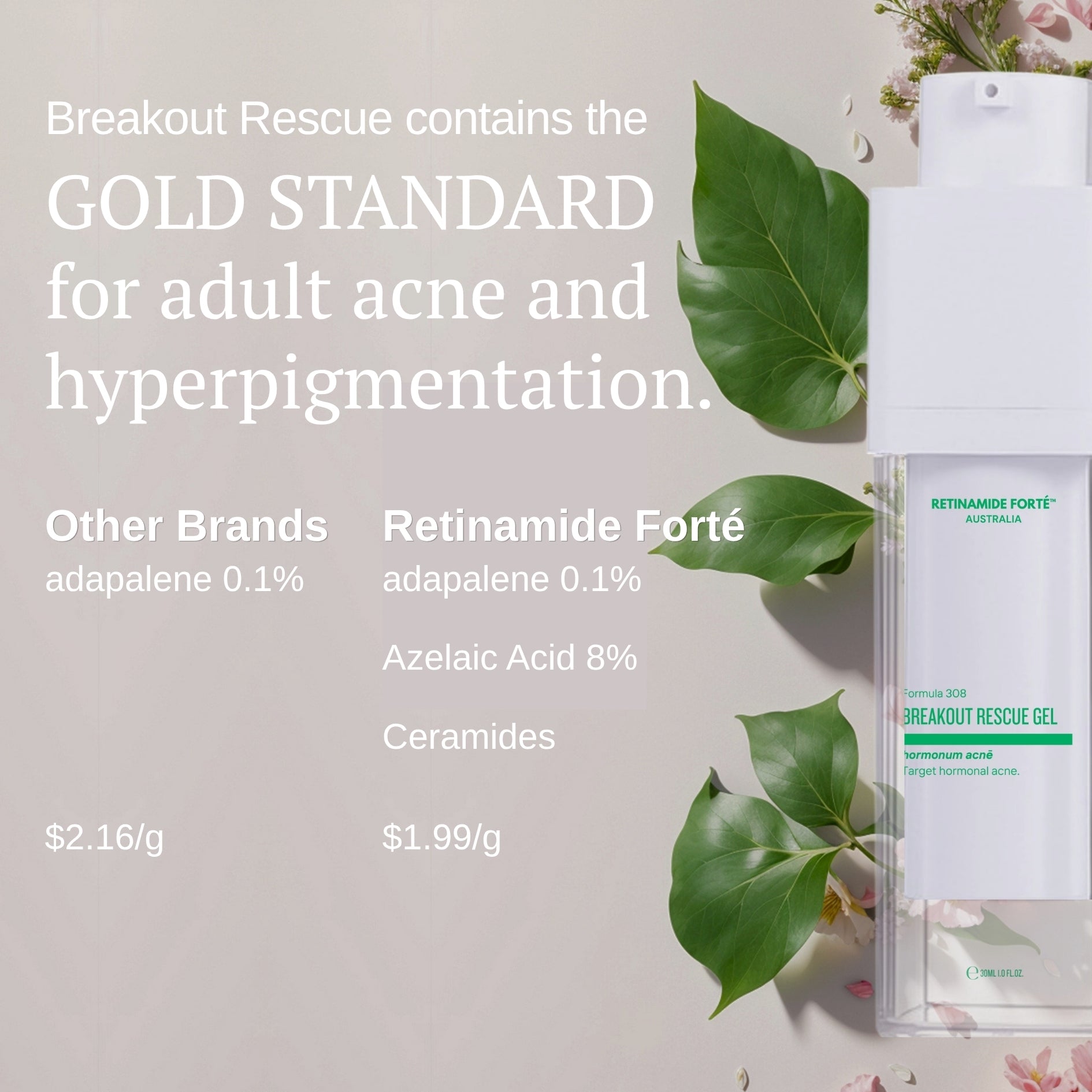
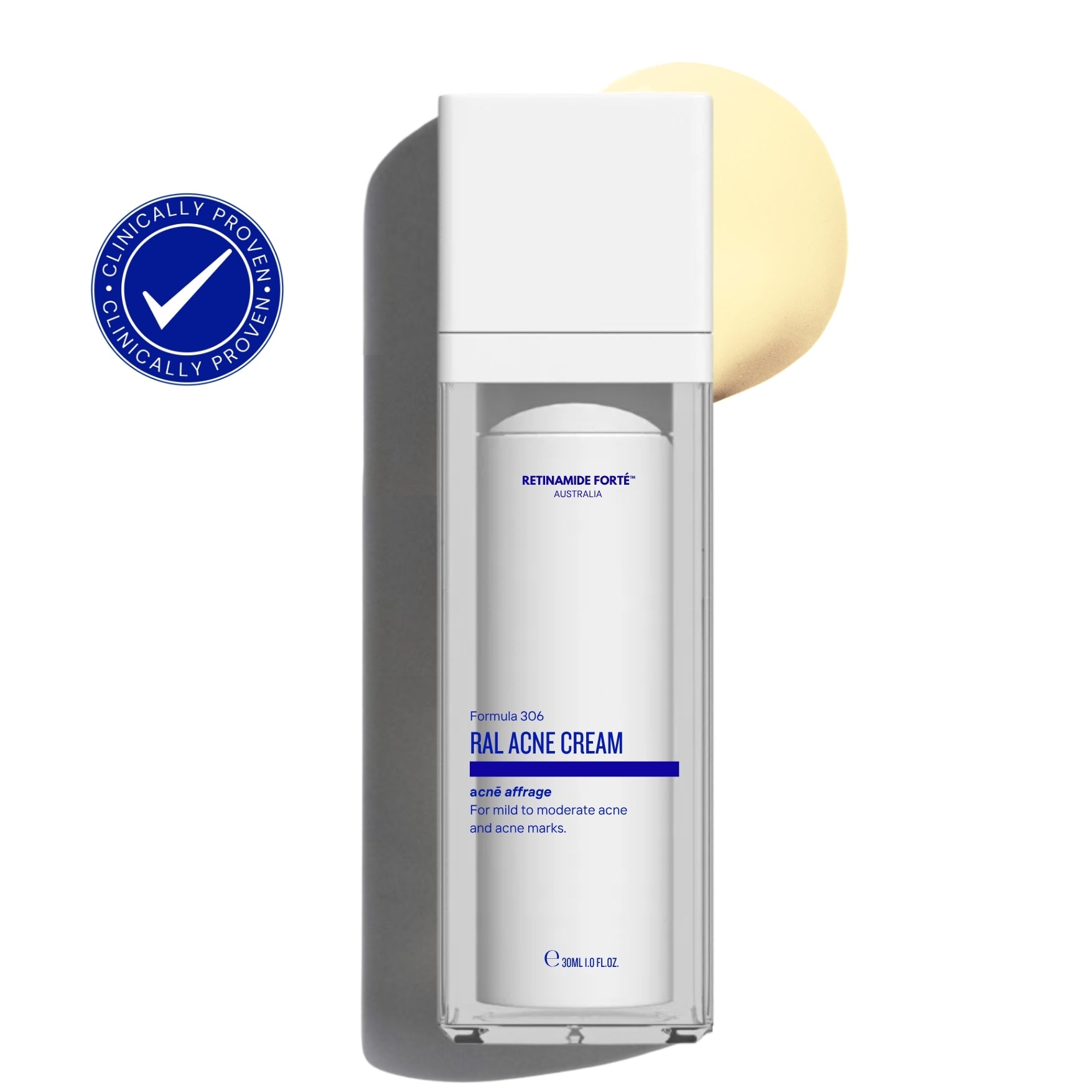
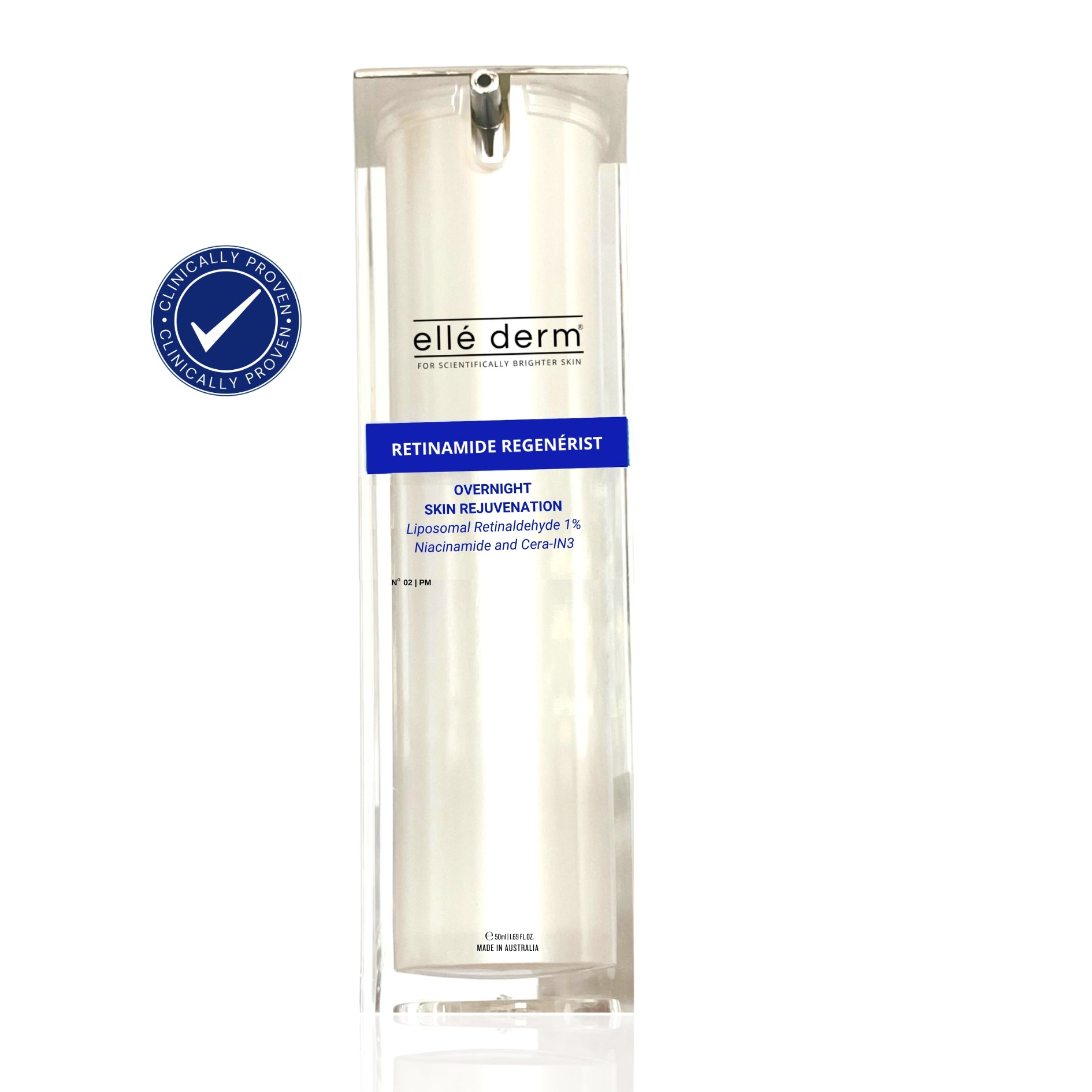
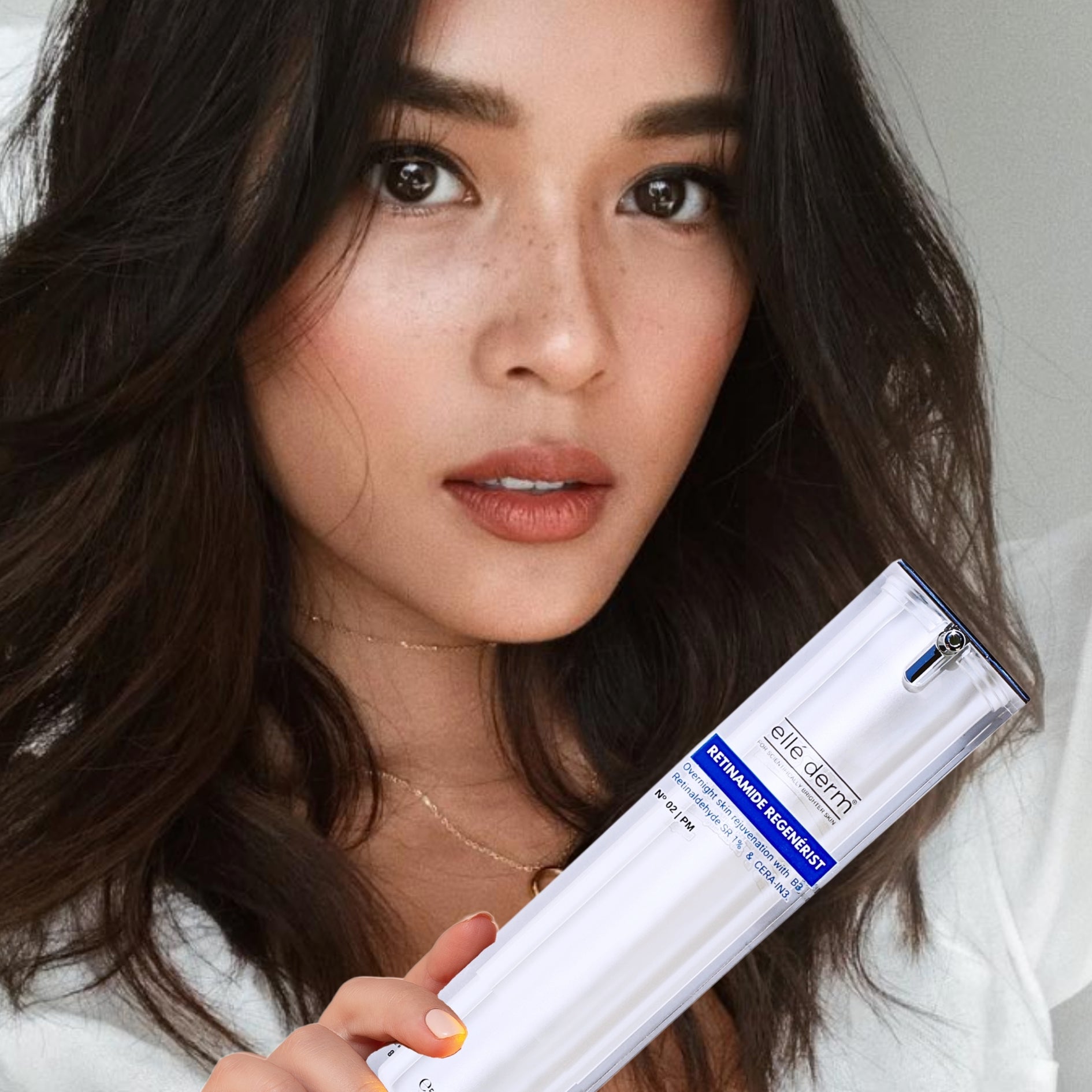
- Retinaldehyde or adapalene — start 2 nights per week, increase gradually over 6–8 weeks.
- Moisturiser — apply over retinoid to buffer irritation if needed.
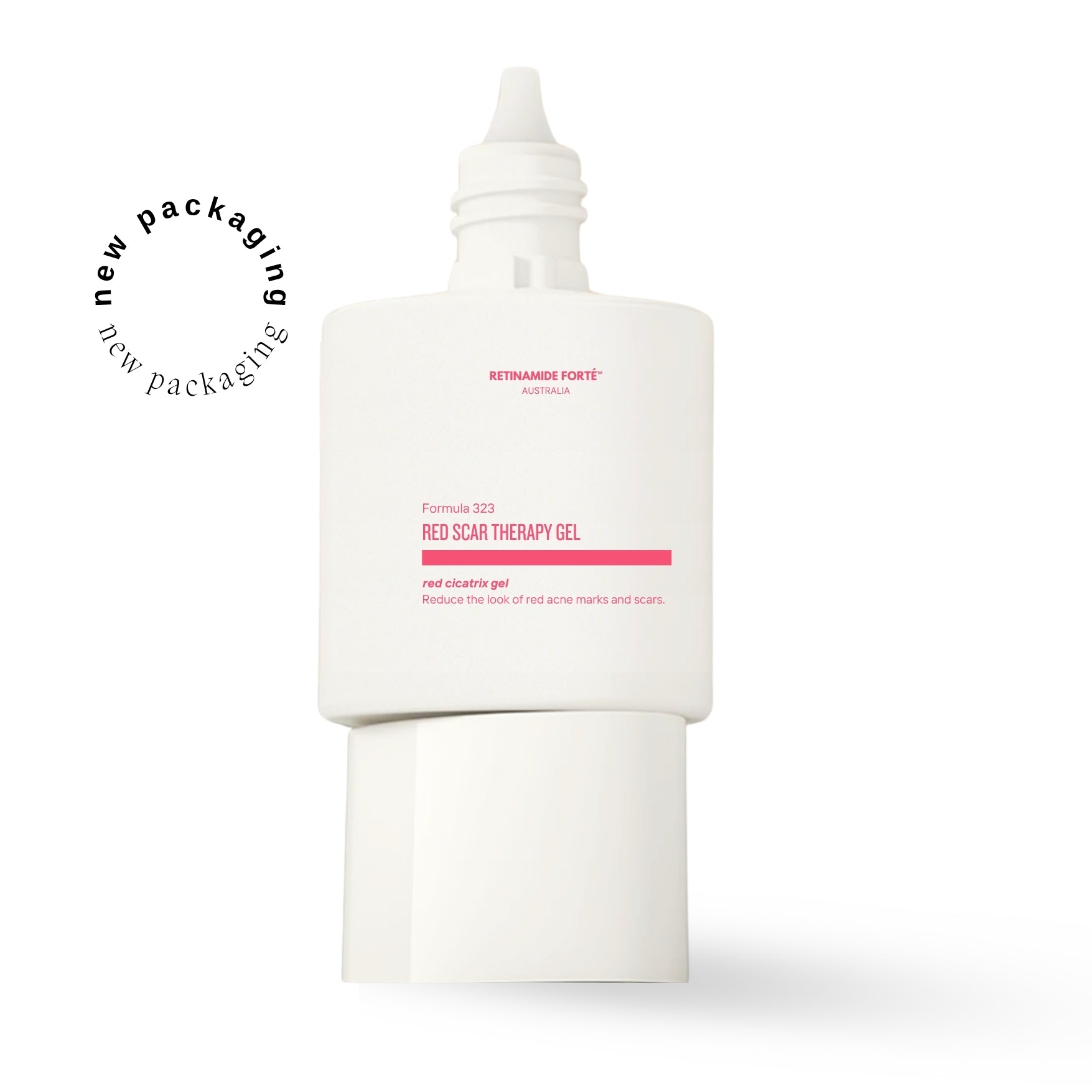
- Treat red acne marks - often left over as pink/purple marks after acne has healed. When treated early, they can fade much more quickly.
Targeted Treatment
- Benzoyl peroxide 2.5% as a spot treatment on active inflammatory lesions.
- Do not layer benzoyl peroxide with retinoids — use on alternate nights or in the morning only.

Lifestyle Factors with Clinical Evidence
- Low glycaemic diet: A randomised trial by Smith et al. (2007) found a low glycaemic load diet significantly reduced acne lesion counts over 12 weeks.
- Dairy reduction: Observational studies link high dairy intake (particularly skim milk) with increased acne prevalence, likely via IGF-1 signalling (Adebamowo et al., 2006).
- Stress management: Cortisol-driven androgen surges are real — sleep, exercise, and mindfulness have measurable effects on skin.
- Pillow hygiene: Change pillowcases every 2–3 days to reduce bacterial transfer.
When to See a Doctor
OTC actives are effective for mild-to-moderate hormonal acne, but some presentations warrant medical review:
- Severe cystic acne causing scarring
- Suspected PCOS or other hormonal disorder (irregular periods, hirsutism, hair loss)
- No improvement after 12 weeks of consistent OTC treatment
- Significant psychological impact on quality of life
Prescription options include topical clindamycin/benzoyl peroxide combinations, oral contraceptives (for androgen suppression), spironolactone, and isotretinoin for severe cases.
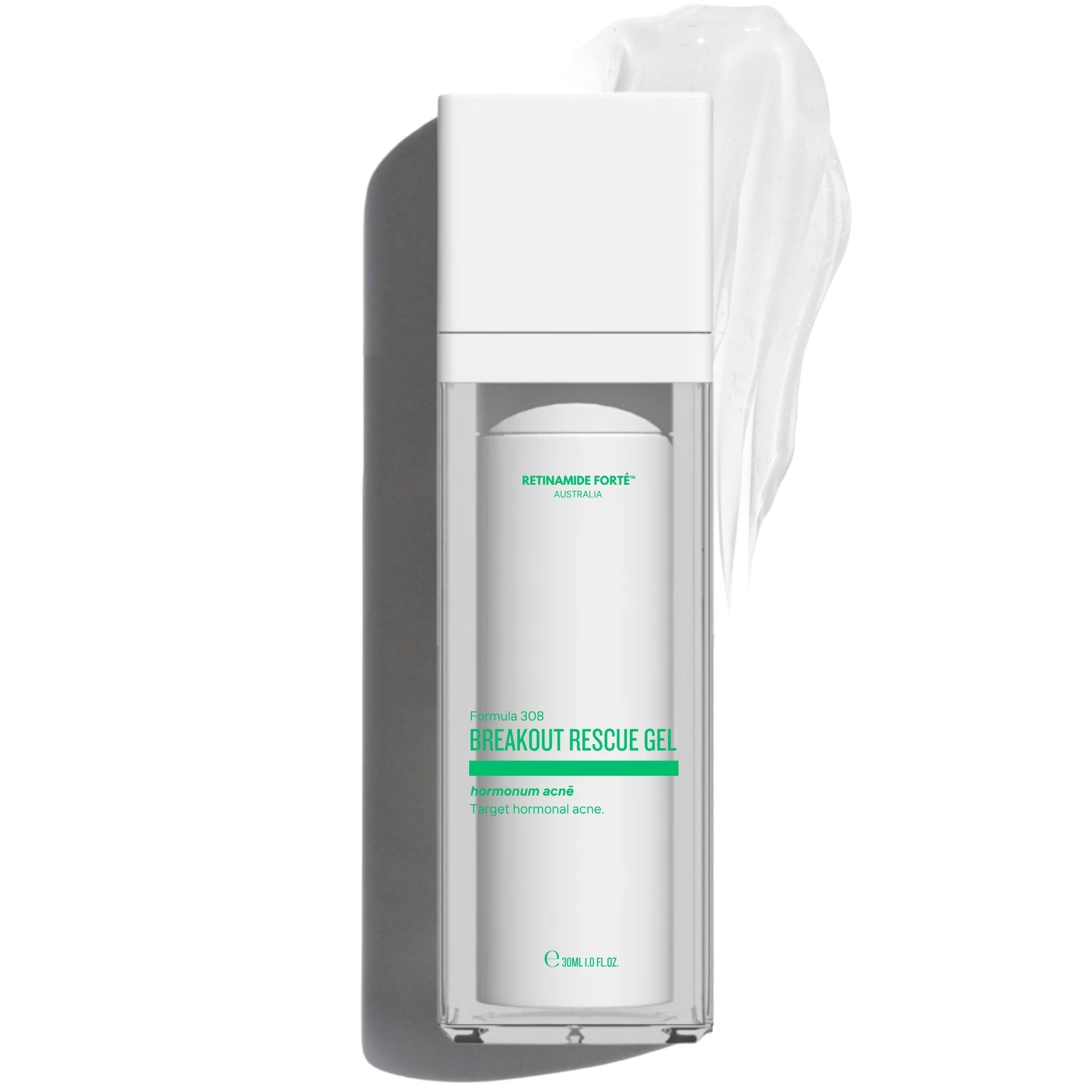
I personally would opt for a topical anti-androgen - Clascoterone 1% - the tradename is Winlevi. Studies show not everyone who has hormonal acne has an internal hormonal imbalance, and Winlevi doesn't affect your hormones internally.
Frequently Asked Questions
Why does my acne get worse before my period?
In the luteal phase (days 14–28 of your cycle), progesterone rises and oestrogen falls. This hormonal shift increases sebum production and skin inflammation, creating the ideal conditions for breakouts. Flares typically peak 1–2 days before menstruation.
Can I use retinoids and azelaic acid together?
Yes, as long as they are both low-strength ingredients. Combining azelaic acid with a retinoid provides anti-inflammatory and anti-acne benefits. They can be introduced on alternate nights until the skin is acclimatised. Both are well-tolerated by most skin types when introduced gradually.
Can I use retinoids and Vitamin C together?
Can be irritating when layered with other actives; introduce carefully.
How do I know if my skin barrier is toasted?
You will notice a long stinging sensation when using actives and non-actives when your skin barrier is compromised. Before it gets to this stage, make sure you wash off ingredients that cause a severe burning or stinging sensation lasting for more than 1-2 minutes.
How long does it take to see results from a hormonal acne protocol?
This depends on the severity. Realistic expectations for severe acne: 6–8 weeks for initial improvement in active lesions, 3–6 months for significant reduction in breakout frequency and post-inflammatory marks. Consistency is the most important variable.
Mild to moderate acne typically takes 2-4 weeks for initial improvement.
Is hormonal acne a sign of PCOS?
Not necessarily — hormonal acne can occur without PCOS. However, if your acne is severe, accompanied by irregular periods, excess facial hair, or hair thinning, it's worth discussing with your GP or gynaecologist to rule out an underlying hormonal condition.
Final thoughts
I sincerely hope you find this helpful and overcome your hormonal acne challenges!
The lifestyle interventions are really helpful. If you haven't found your food triggers yet, use a diary or notes on your phone.
References
- Perkins AC, et al. (2012). Acne vulgaris in women: prevalence across the life span. J Womens Health. 21(2):223–230.
- Pechere M, et al. (2002). Antibacterial activity of topical retinoids. Dermatology. 205(2):153–158.
- Purdy S & de Berker D. (2011). Acne vulgaris. BMJ Clin Evid. 2011:1714.
- Draelos ZD, et al. (2006). The effect of 2% niacinamide on facial sebum production. J Cosmet Laser Ther. 8(2):96–101.
- Shalita AR, et al. (1995). Topical nicotinamide compared with clindamycin gel in the treatment of inflammatory acne vulgaris. Int J Dermatol. 34(6):434–437.
- Graupe K & Cunliffe WJ. (1996). Efficacy and safety of topical azelaic acid. J Eur Acad Dermatol Venereol. 6(Suppl 1):S20–S29.
- Arif T. (2015). Salicylic acid as a peeling agent: a comprehensive review. Clin Cosmet Investig Dermatol. 8:455–461.
- Cunliffe WJ, et al. (1981). A comparison of benzoyl peroxide 5% and 10% in the treatment of acne. Br J Dermatol. 105(Suppl 21):91–94.
- Smith RN, et al. (2007). The effect of a low glycemic load diet on acne vulgaris. Am J Clin Nutr. 86(1):107–115.
- Adebamowo CA, et al. (2006). Milk consumption and acne in teenaged boys. J Am Acad Dermatol. 58(5):787–793.